
Plugs connect an electrical product to a power source. But as simple as that definition sounds, it needs to be noted that there are many different plug patterns used throughout the world, making it anything but simple, said the experts at Interpower.
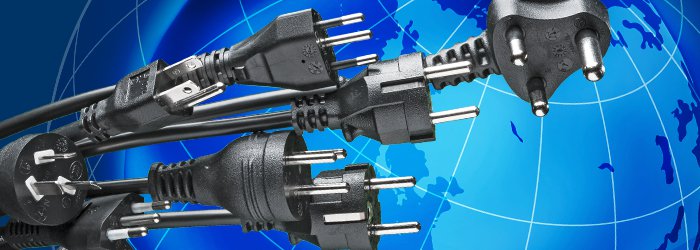 Whether it will be used in a domestic or a global market, it is essential to determine the correct plug needed for an electrical product design, so that it safely connects to the power source of the end user. “Manufacturers designing for global markets need to be aware of that fact and seek assistance from cord set manufacturers at the beginning of the product design,” said Dan Ford, Technical Support Specialist at Interpower.
It is crucial to know the electrical requirements of where the product will be used. Most plugs follow national and/or international standards which dictate physical and electrical characteristics, plus many countries have testing/certification agencies which state specific plug requirements that need to be followed.
“Additionally, plug selections may be dictated by cable size requirements from the plug and associated power cord/cord set standards, as well as acceptability of usage with specific connectors, as outlined by cord set requirements,” Dan explained. “Cord set safety requirements can also affect the choice of plug and potentially equipment design.”
Customers today expect to be able to utilize a product as is, so it is important to offer a product that does not require reconfiguration by the end user.
Interpower carries a variety of plugs that are designed to meet electrical needs around the world. To help with choosing the correct plug pattern, Interpower offers the Guide to Worldwide Plug and Socket Patterns and Power Mains (Single-Phase). This guide gives the most frequently specified plug patterns for electrical or electronic equipment used in individual countries.
Plugs can be molded or rewireable. Molded (non-rewireable) parts cannot be modified after they are manufactured. A rewireable part can be disassembled and wired again after its initial assembly to a different cable. Most plugs offered by Interpower are available as part of a molded power cord or cord set. Many are available as rewireable.
Plug patterns available at Interpower include:
- Argentina
- Australia
- Brazil
- China
- Continental Europe
- Denmark
- Europlug
- France/Belgium
- India/South Africa
- Israel
- Italy
- Japan
- North America
- Switzerland
- United Kingdom
Interpower
www.interpower.com
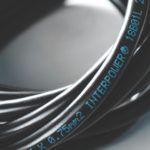
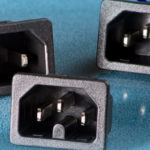

Most connectors can only be connected in one orientation. This trait is called polarity, and connectors which have some means to prevent them being connected wrong are said to be polarized, or sometimes keyed.